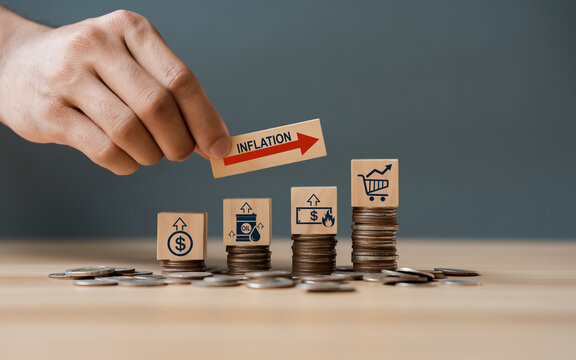
Understanding Global Inflation: Causes, Impacts, and Solutions
Inflation, the economic phenomenon where the general level of prices for goods and services increases, thereby eroding purchasing power, has become a pressing concern globally. The recent surge in inflation has been a topic of extensive discussion due to its far-reaching effects on economies, businesses, and individual lives. This blog delves into the causes of global inflation, its wide-ranging impacts, and potential strategies to address and mitigate its effects.
What is Inflation?
Inflation is typically measured using indices such as the Consumer Price Index (CPI) or the Producer Price Index (PPI). When inflation is moderate, it generally indicates a growing economy. However, when inflation rates become excessive, they can lead to significant economic instability. High inflation means that each unit of currency buys fewer goods and services, which can decrease the standard of living if wages and incomes do not rise correspondingly.
Causes of Global Inflation
Several key factors have contributed to the recent surge in global inflation:
- Supply Chain Disruptions: The COVID-19 pandemic severely disrupted global supply chains, leading to shortages of goods and increased production costs. As economies have begun to recover, the demand for goods has surged faster than supply chains can adapt, resulting in higher prices. These disruptions have affected various sectors, from electronics to food, causing widespread inflationary pressures.
- Increased Demand: The global economic recovery has led to a significant increase in consumer spending. As countries lifted lockdowns and provided economic stimulus, consumer demand surged. However, the rapid increase in demand has often outpaced supply, leading to price hikes. This is particularly evident in sectors like automotive and construction, where shortages of key components and materials have driven up costs.
- Rising Energy Costs: Energy prices have soared due to a combination of geopolitical tensions, reduced production during the pandemic, and a rebound in demand. Oil and gas prices have surged, affecting transportation and production costs across the economy. These higher energy costs have a cascading effect on other goods and services, contributing significantly to inflation.
- Labor Market Issues: The pandemic has created imbalances in the labor market, with many industries facing labor shortages. This has led to increased wages as companies compete to attract and retain workers. While higher wages can be beneficial for workers, they also lead to higher production costs, which are often passed on to consumers in the form of higher prices.
- Monetary Policies: Central banks worldwide adopted expansive monetary policies to support their economies during the pandemic. These measures included maintaining low interest rates and engaging in quantitative easing, which involves purchasing government securities to increase the money supply. While these policies were aimed at stimulating economic growth, they have also contributed to inflationary pressures by increasing the amount of money circulating in the economy.
Impacts of Global Inflation
The effects of inflation are diverse and can have significant consequences for various sectors:
- Reduced Purchasing Power: As inflation rises, consumers experience a decrease in their purchasing power. This means that the same amount of money buys fewer goods and services, leading to a decline in living standards if wages do not increase at the same rate. This can particularly impact lower-income households who spend a larger proportion of their income on necessities.
- Increased Cost of Living: Inflation drives up the prices of essentials such as food, housing, and energy. This increase in the cost of living forces households to allocate a larger portion of their income to basic needs, reducing the amount available for discretionary spending and savings. This can lead to a decrease in overall economic activity and consumer confidence.
- Business Costs: Companies face higher input costs due to increased prices for raw materials and labor. These higher costs can squeeze profit margins and may lead to higher prices for consumers. In some cases, businesses may be forced to cut back on investment or hiring due to increased financial pressures.
- Interest Rates: To combat inflation, central banks may raise interest rates. Higher interest rates increase borrowing costs for both businesses and consumers, potentially slowing economic growth. While this can help control inflation, it can also lead to reduced investment and lower consumer spending.
- Investment Decisions: High inflation can affect investment decisions as it erodes the value of returns. Investors may seek assets that traditionally perform well during inflationary periods, such as real estate, commodities, and inflation-protected securities. This shift in investment strategies can impact financial markets and the availability of capital for businesses.
Solutions to Mitigate Inflation
Addressing global inflation requires a multifaceted approach, including monetary, fiscal, and structural policies:
- Monetary Policy: Central banks play a critical role in managing inflation. By adjusting interest rates and controlling the money supply, they can influence economic activity and price levels. Raising interest rates can help reduce inflationary pressures by cooling down an overheating economy, but it must be done carefully to avoid triggering a recession.
- Fiscal Policy: Governments can use fiscal measures to address inflation. Reducing public spending or increasing taxes can decrease overall demand in the economy, helping to ease inflation. However, these measures need to be balanced to avoid negatively impacting economic growth or exacerbating inequality.
- Supply Chain Resilience: Enhancing the resilience of global supply chains is essential for mitigating future disruptions. This includes diversifying supply sources, investing in domestic production capabilities, and improving logistics infrastructure to reduce dependency on single sources and improve flexibility.
- Energy Policies: Investing in renewable energy sources and improving energy efficiency can help stabilize energy costs in the long term. Reducing reliance on volatile fossil fuel markets through the development of alternative energy technologies can help manage energy-related inflation.
- Labor Market Reforms: Addressing labor shortages and improving workforce skills can help reduce upward pressure on wages. Policies that support workforce participation, such as affordable childcare, training programs, and flexible working arrangements, are crucial for maintaining a balanced labor market.
- Consumer Protection: Governments can implement measures to protect consumers from the worst effects of inflation. This includes monitoring and regulating prices of essential goods and providing financial assistance to vulnerable populations to help them cope with rising living costs.
Conclusion
Global inflation presents a complex challenge with widespread implications for economies and individuals. Understanding its causes and impacts is essential for developing effective strategies to mitigate its effects. By implementing a combination of monetary, fiscal, and structural policies, and fostering international cooperation, we can navigate the challenges of inflation and work towards more stable and resilient economic conditions.













.jpg)