Premiumisation Goes Pan-India: A New Era of Consumer Aspiration
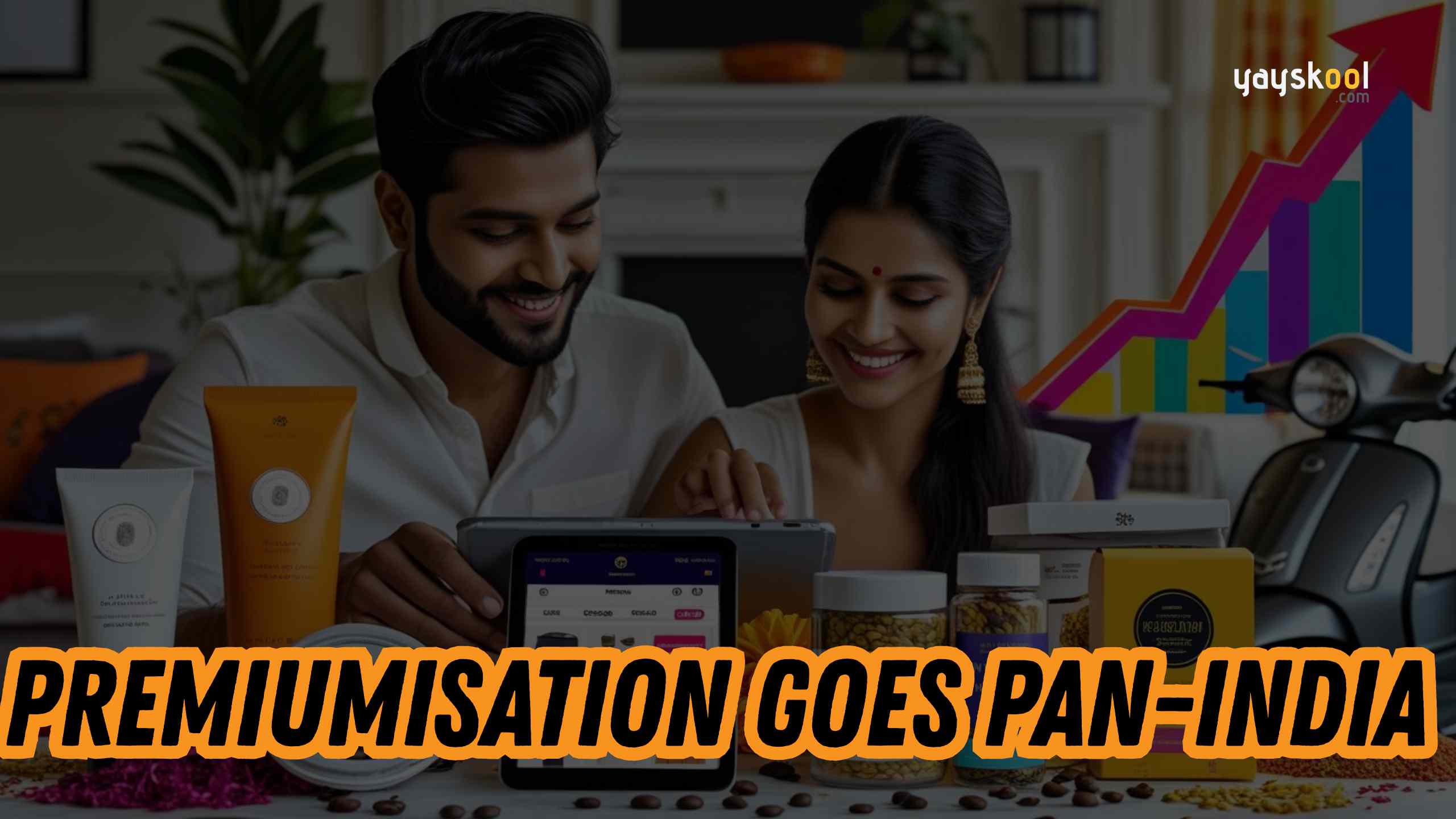
Premiumisation—the shift in consumer preference toward higher-quality, higher-priced goods and services—is no longer confined to India’s metro cities or upper-income brackets. Fueled by digital commerce, rising disposable incomes, and the growing influence of social media, premiumisation has emerged as a pan-India phenomenon, reshaping the way brands approach product innovation, pricing, and customer engagement.
A Structural Shift in Consumption
India’s consumption story is undergoing a significant transformation. While affordability and value-for-money remain crucial, a growing segment of consumers is now actively seeking premium offerings—be it in fashion, food and beverages, personal care, automobiles, or electronics.
This evolution is being driven by:
-
Digital Commerce Penetration: E-commerce platforms like Amazon, Flipkart, Nykaa, and niche D2C brands have democratized access to premium goods, enabling consumers in Tier 2 and Tier 3 cities to purchase products once limited to metros.
-
Social Media Influence: Platforms such as Instagram, YouTube, and Pinterest have become lifestyle aspirants. Influencer-led marketing has blurred the lines between luxury and mass appeal, elevating brand awareness and nudging consumers toward higher-end choices.
-
Rise in Incomes and Credit Access: India's expanding middle class, along with increased financial inclusion and availability of consumer credit, has empowered more households to trade up. This is evident in categories like smartphones, where premium models see strong growth even in non-metro regions.
Categories Leading the Charge
-
Personal Care & Beauty: From premium skincare serums to luxury makeup brands, consumers are embracing self-care like never before. Nykaa Luxe and similar platforms are enabling access to global brands in smaller cities.
-
Packaged Food & Beverages: Artisanal coffees, gourmet snacks, and organic staples are now staples in many urban and semi-urban Indian households. Premium tea brands, cold-pressed oils, and imported chocolates are finding takers across demographics.
-
Fashion & Apparel: D2C fashion brands, luxury collaborations, and sustainable fashion lines are seeing robust demand. Premiumisation here is also tied to identity and self-expression.
-
Automotive and Two-Wheelers: Indian consumers, especially younger buyers, are moving beyond entry-level vehicles to models that offer better design, features, and status appeal.
Regional Markets, National Trends
While metros like Mumbai, Delhi, and Bangalore continue to dominate premium consumption, the real growth is increasingly coming from Bharat—India’s non-metro regions. According to multiple retail and e-commerce reports, Tier 2+ cities now contribute over 60% to online beauty and fashion sales. These cities are also setting new records in categories like luxury smartphones and wellness services.
Challenges and Considerations
Despite the surge, premiumisation is not without hurdles. Price sensitivity remains high, and the value proposition must be clearly communicated. Additionally, logistics and supply chain capabilities need to evolve to serve premium consumers outside metro hubs effectively.
Brands must also be culturally attuned—what is aspirational in Jaipur may differ from what resonates in Kochi or Guwahati. Hyperlocal strategies, vernacular content, and flexible pricing models (like EMI and subscription-based access) are crucial.
The Way Forward
Premiumisation in India is not just about trading up; it's about evolving tastes, rising confidence, and the pursuit of quality. For brands, this is both an opportunity and a challenge—to move beyond cost-driven differentiation and toward brand storytelling, innovation, and experience design.
In an era where aspirations travel faster than infrastructure, and social media shortens the distance between rural and urban desires, the brands that thrive will be those that understand the nuanced, pan-Indian definition of “premium.”












.jpg)