The Intersection of Artificial Intelligence and Human Knowledge: A New Era of Collaboration and Discovery
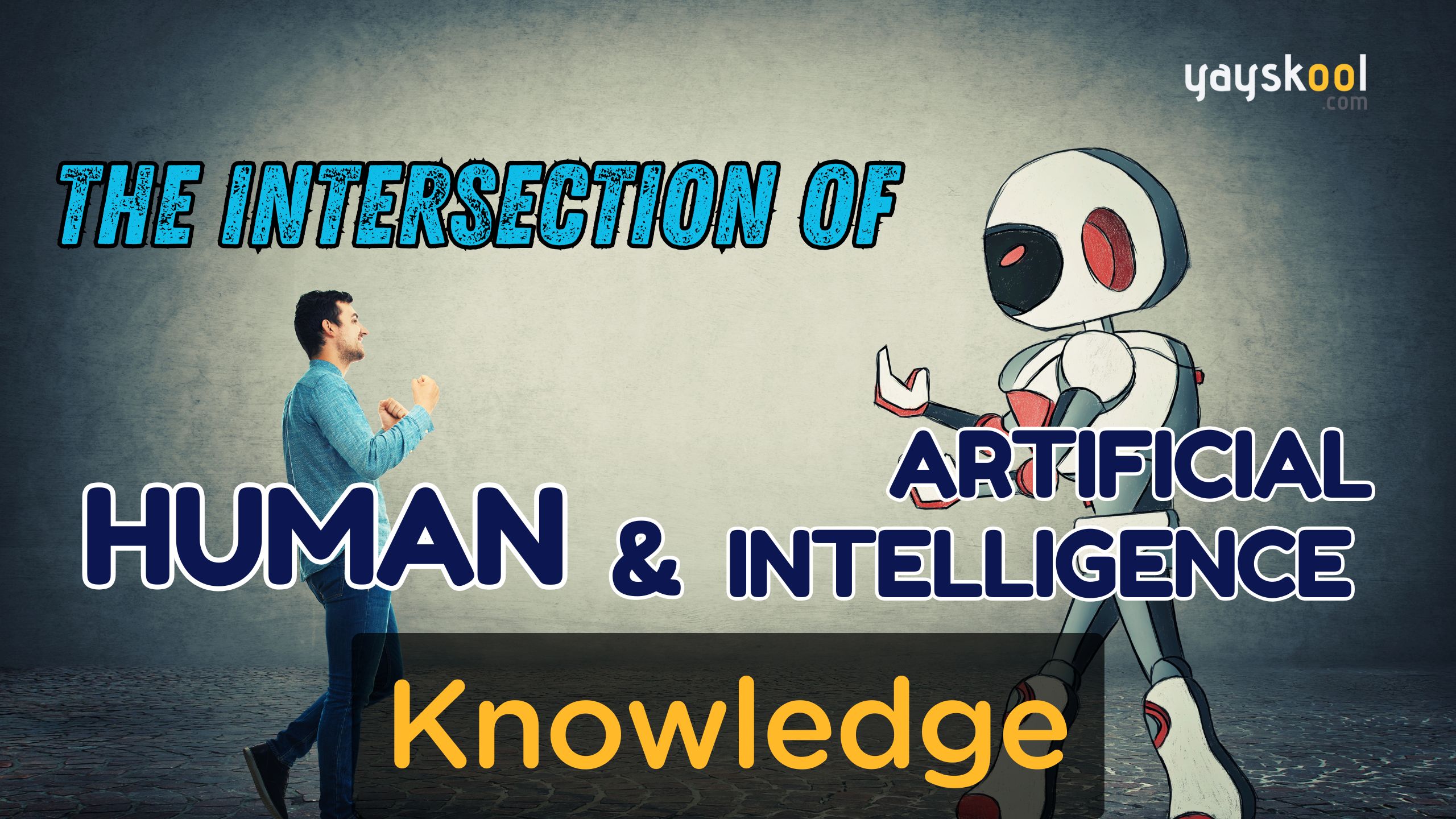
In today’s world, the rapid evolution of Artificial Intelligence (AI) is reshaping industries, transforming workflows, and challenging the very boundaries of what is possible. One of the most exciting and profound developments is the growing intersection between AI and human knowledge. This collaboration is not about replacing humans, but rather about augmenting and amplifying our ability to understand, learn, and create. Together, AI and human intelligence are opening new doors to discovery, problem-solving, and innovation.
The Role of AI in Enhancing Human Knowledge
Artificial Intelligence, particularly through machine learning and data analytics, has the power to process vast amounts of information far beyond human capability. In essence, AI acts as a powerful tool that allows humans to uncover insights that were once hidden within massive datasets.
In fields such as healthcare, AI is helping to analyze medical records, research papers, and patient data to discover new treatment options, identify health trends, and provide personalized recommendations. AI-driven platforms like IBM Watson Health and DeepMind have already made significant strides in predicting diseases, enhancing diagnostics, and even assisting doctors with clinical decisions.
Similarly, in the realm of education, AI is enhancing the learning experience by providing personalized learning paths for students, curating content tailored to their strengths and weaknesses. AI-powered tools like Duolingo and Coursera are helping learners from across the globe access world-class education while adapting to individual learning styles.
AI as a Collaborator, Not a Replacement
One of the most important aspects of the AI-human relationship is that AI is not meant to replace humans, but rather to collaborate with us. In industries where knowledge is key—such as law, journalism, and research—AI is proving to be a valuable assistant. It can quickly sift through thousands of documents, summarize information, and spot patterns that would take humans weeks or even months to uncover. This enables experts to focus on the higher-level aspects of their work, such as creative problem-solving, critical thinking, and strategy development.
For example, in scientific research, AI helps researchers analyze complex datasets, predict outcomes, and simulate experiments. In fields like climate science, AI models predict weather patterns, track changes in the environment, and help scientists understand the long-term effects of climate change. This accelerates the pace of discovery and helps us make more informed decisions about the future of our planet.
In creative fields, AI tools like GPT-3 and DALL·E are being used to assist writers, designers, and artists in generating ideas, drafting content, and even creating visual works. These collaborations demonstrate how AI can spark new forms of human creativity, providing inspiration while also automating repetitive tasks.
Human Knowledge Shapes AI Development
While AI enhances human capabilities, human intelligence remains at the core of its development. It’s humans who create, train, and fine-tune the algorithms that power AI systems. In fact, the knowledge, values, and ethical frameworks we embed into these systems are vital to ensuring that AI operates responsibly and aligns with societal values.
For instance, when designing AI models, human input is crucial for setting the right goals, defining the scope of the project, and ensuring that AI systems are free from biases. This becomes especially important in areas such as AI in hiring, law enforcement, and healthcare, where unfair or discriminatory algorithms could have serious consequences. In these cases, human knowledge—coupled with ethical guidelines—serves as a safeguard, ensuring that AI is used to benefit society rather than harm it.
Furthermore, AI systems need to be constantly updated and adapted based on new information, changing circumstances, and evolving societal norms. This ongoing loop of human intervention and machine learning creates a symbiotic relationship where both AI and human knowledge continuously improve.
The Limits of AI and the Unique Human Edge
Despite the remarkable capabilities of AI, there are aspects of human knowledge that machines still struggle to replicate. Emotional intelligence, moral reasoning, and the ability to understand complex, abstract concepts remain areas where human minds excel. While AI can process data and identify patterns, it lacks the capacity for subjective interpretation, creativity in its purest form, and the nuanced understanding that comes with lived human experience.
Moreover, AI systems are typically narrow in their capabilities. They are highly effective at specific tasks but lack the general intelligence that allows humans to adapt to diverse situations. This is why the most powerful outcomes emerge when AI complements human intuition and reasoning, rather than attempting to replace it.
The Future: A Collaborative Ecosystem
As AI continues to evolve, we are likely to see even deeper collaboration between artificial and human intelligence. Imagine a future where humans work alongside AI to solve complex global challenges, such as curing diseases, mitigating climate change, or exploring space. With the right ethical frameworks, continuous oversight, and collaborative strategies, AI could help us unlock new realms of knowledge and understanding. In this future, AI could help us extend our cognitive limits, enabling us to tackle problems that were once considered insurmountable. Human intuition, creativity, and emotional intelligence, combined with AI’s analytical power, would form a partnership that drives progress in ways we have yet to imagine.
Conclusion
The intersection of artificial intelligence and human knowledge is not a point of conflict but a convergence that promises to elevate both. AI is a tool that complements human strengths, amplifying our ability to analyze, create, and solve problems. As we continue to develop AI systems, it’s crucial to maintain a human-centric approach that emphasizes collaboration, ethical responsibility, and the continuous growth of knowledge. By working together, AI and human intelligence have the potential to redefine the future, creating a world where possibilities are limitless and human progress knows no bounds.












.jpg)