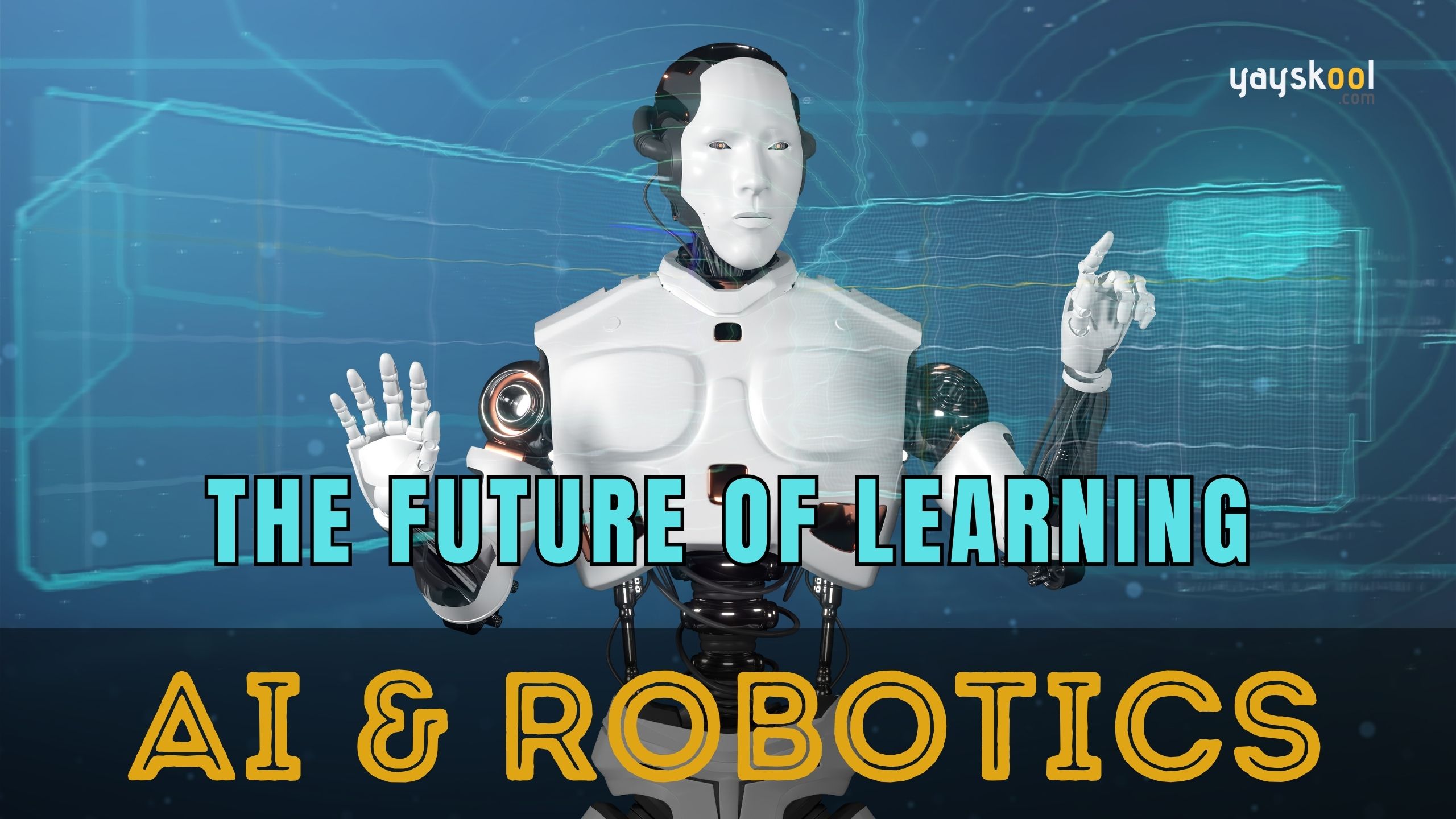
The Future of Learning: Integrating AI and Robotics in Classrooms
The rapid growth of Artificial Intelligence (AI) and robotics technology is transforming every aspect of our world, including the educational landscape. From enhancing student engagement to preparing learners for future job markets, integrating AI and robotics into classrooms is no longer a distant possibility—it’s becoming a reality. This transformation presents an exciting opportunity for educators and students alike, but it also raises important questions about the role these technologies should play in learning.
In this blog post, we'll explore the potential benefits, challenges, and innovative ways in which AI and robotics are reshaping the classroom experience for students of all ages.
Why AI and Robotics Matter in Education
The integration of AI and robotics into classrooms is driven by several key factors, including the demand for advanced technical skills, the need for personalized learning experiences, and the evolving expectations of students and educators.
-
Meeting the Demand for Future Workforce Skills
As technology becomes an essential part of every industry, there’s a growing need for workers who are proficient in fields like robotics, data science, and AI. By introducing these concepts early in education, we can ensure that the next generation of learners is equipped with the skills they need to thrive in an increasingly tech-driven world. -
Personalized Learning
One of AI’s greatest strengths is its ability to adapt to the needs of individual learners. With AI-powered tools, students can receive tailored lessons that match their learning pace and style. Whether it's through adaptive learning platforms or intelligent tutoring systems, AI helps to create a more personalized and efficient learning experience. -
Engagement and Motivation
Robotics, when used in the classroom, offers hands-on experiences that encourage active learning. Building robots or programming AI systems can captivate students' imaginations and keep them engaged in subjects that might otherwise feel abstract or challenging. -
Collaborative Learning
Robotics projects often require teamwork, which can enhance students' collaboration and communication skills. These real-world, collaborative learning environments not only develop technical abilities but also build essential soft skills like problem-solving, leadership, and teamwork.
How AI and Robotics Are Already Being Used in Classrooms
AI and robotics are already making their way into educational settings in a variety of innovative ways. Here are a few examples:
-
Robotic Kits and Learning Tools
Many schools are adopting hands-on robotic kits such as LEGO Mindstorms, VEX Robotics, and Sphero. These kits allow students to design, build, and program robots, introducing them to basic concepts in robotics and computer programming. -
AI Tutors and Chatbots
AI-powered tutors and chatbots can provide students with immediate, personalized support. For instance, platforms like Knewton and Squirrel AI analyze students’ learning progress and adapt the curriculum to address their individual needs, helping them stay on track. -
Coding and Programming Curriculum
Schools are increasingly offering coding and programming courses that teach students the foundational skills needed to work with AI and robotics. Tools like Scratch, Python, and Blockly are helping young learners gain the coding skills that will be essential for the future. -
Smart Classrooms
AI can optimize classroom management, track student performance, and even create personalized learning schedules. Through machine learning algorithms, smart classrooms can provide data-driven insights that help teachers understand how to better support their students.
Benefits of Integrating AI and Robotics into Education
-
Promoting STEM Education
Robotics is an excellent way to engage students in STEM (Science, Technology, Engineering, and Math) subjects. The hands-on nature of robotics makes abstract concepts tangible and engaging. This sparks students’ interest in STEM careers, especially as the future workforce becomes more tech-dependent. -
Improved Learning Outcomes
AI’s ability to analyze student data and provide real-time feedback can lead to better educational outcomes. Teachers can focus on providing more meaningful, personalized instruction, while AI systems help to assess areas where students may need additional support. -
Encouraging Creativity and Problem Solving
Robotics fosters creativity as students design and program their own robots. They must also solve complex problems to get their creations working, which enhances critical thinking and problem-solving skills—skills that are essential in the 21st-century workforce. -
Better Support for Diverse Learners
With AI’s adaptive learning capabilities, students with varying needs can receive customized support. Whether it's for students with learning disabilities or those who need more challenging material, AI can ensure that each student’s learning experience is optimized.
Challenges and Considerations
While the potential benefits are clear, there are challenges to integrating AI and robotics in classrooms:
-
Access to Resources
Not all schools have the financial resources or infrastructure to implement AI and robotics programs effectively. Disparities in access to technology can lead to unequal educational opportunities, particularly for students in underfunded schools. -
Teacher Training
Educators need adequate training to effectively use AI and robotics tools. While these technologies offer great potential, teachers must be prepared to integrate them into their classrooms in a meaningful way. This requires investment in professional development and ongoing support. -
Privacy and Ethical Concerns
The use of AI in education raises important privacy issues, as student data is often collected and analyzed by AI systems. It's crucial to ensure that this data is used responsibly, with students’ privacy protected at all costs. -
Keeping Pace with Rapid Technological Change
The rapid pace of advancements in AI and robotics means that educational systems must continuously adapt. Curriculum updates and technology upgrades must be implemented regularly to ensure students are learning the most relevant and cutting-edge skills.
Looking Ahead: The Future of AI and Robotics Education
As AI and robotics continue to evolve, so too will their impact on education. In the future, we can expect even more immersive and advanced tools—think AI-driven virtual classrooms, fully autonomous robots that assist with teaching, and personalized learning paths for every student. With these innovations, the classroom of tomorrow could become a highly interactive, data-driven environment that adapts in real-time to the needs of each student.
The key to success in integrating AI and robotics into education is balancing technological advancement with thoughtful, intentional implementation. By fostering a generation of students who are not only tech-savvy but also ethical and creative thinkers, we can ensure that AI and robotics education will help create a brighter, more innovative future.
Conclusion
Integrating AI and robotics into the classroom represents an exciting and transformative step forward in education. By harnessing the potential of these technologies, we can provide students with the tools they need to thrive in a tech-centric world. However, as with any new technology, it’s important that we approach this integration thoughtfully, addressing challenges such as accessibility, teacher training, and privacy to ensure that AI and robotics are used to their fullest educational potential.
Are you excited about the future of AI and robotics in education? Let us know how you think these technologies will shape the classrooms of tomorrow!












.jpg)