The Future of Education: How AI is Transforming Classrooms
The world of education is rapidly evolving, and one of the most significant drivers of this transformation is artificial intelligence (AI). Once seen as a distant technology reserved for the fields of science fiction, AI has now become an integral part of how we teach, learn, and interact in the classroom. As we look ahead, it's clear that AI will continue to shape the future of education in profound ways.
Personalized Learning
One of the most exciting ways AI is transforming education is through personalized learning. In traditional classrooms, teachers often have to balance the needs of a diverse group of students, each with their own strengths, weaknesses, and learning styles. This can make it challenging to provide tailored instruction to every student.
AI-powered tools can analyze individual learning patterns and adapt content to suit each student’s needs. From intelligent tutoring systems that provide real-time feedback to algorithms that suggest personalized learning pathways, AI helps ensure that no student falls behind. Whether a student excels in a subject or struggles to grasp certain concepts, AI offers resources that meet them at their level, making learning more efficient and effective.
Smart Content and Virtual Classrooms
AI is also helping to create smarter content. Traditional textbooks are being supplemented, or even replaced, by interactive digital content powered by AI. This content can adjust based on a student’s progress, providing new challenges or revisiting difficult concepts as needed. AI allows for the creation of simulations, virtual labs, and dynamic assessments that engage students in ways that static textbooks never could.
In addition to creating smarter content, AI is enabling virtual classrooms. With tools like video conferencing, AI chatbots, and virtual assistants, students can now participate in class activities from anywhere in the world. AI can also automate administrative tasks, allowing teachers to focus more on engaging students and less on grading assignments or answering repetitive questions.
Automation of Administrative Tasks
AI is not just transforming the student experience; it's also making life easier for teachers and administrators. Tasks such as grading assignments, monitoring student progress, and even managing classroom behavior can be automated using AI tools. AI-driven platforms can instantly grade multiple-choice tests, essays, and other assignments, freeing up valuable time for teachers to focus on instruction. Additionally, AI can track students’ progress over time, identifying patterns and predicting which students may need extra attention.
This automation allows teachers to devote more time to personalized instruction, one-on-one interactions, and fostering critical thinking skills. AI’s ability to handle mundane administrative tasks also reduces the administrative burden, leading to improved efficiency and overall school performance.
AI-Assisted Teacher Training and Support
AI is also playing a role in the professional development of teachers. AI-powered platforms can provide real-time feedback to educators, offering insights into their teaching styles and suggesting ways to improve. These systems can track how well teachers engage with students, evaluate the effectiveness of lesson plans, and recommend resources or strategies to address challenges in the classroom.
Moreover, AI-based virtual mentors can offer continuous support to teachers, providing personalized advice and helping them stay updated on the latest educational trends. This type of AI-driven training can significantly enhance the quality of teaching and ensure that educators are equipped to handle the challenges of modern classrooms.
Enhanced Accessibility
AI is also making education more accessible to students with disabilities. AI-powered tools like speech recognition, text-to-speech software, and automated sign language translation are helping break down barriers for students who might otherwise struggle to participate fully in the classroom. For example, AI can provide real-time transcription of lessons for hearing-impaired students or assist visually impaired students with screen readers.
Furthermore, AI can create adaptive learning environments for students with learning disabilities such as dyslexia or ADHD. Personalized pacing, content adjustments, and voice-based interfaces allow these students to learn in a way that suits their unique needs, promoting inclusivity in education.
Data-Driven Insights for Better Learning Outcomes
Another way AI is reshaping education is through data-driven insights. AI systems collect vast amounts of data on student behavior, progress, and performance. This data can be analyzed to identify trends, predict future outcomes, and guide instructional decisions. Teachers can use this information to better understand their students' needs and adjust their teaching strategies accordingly.
For instance, if a student is struggling with a particular topic, AI can suggest supplementary materials or activities to help them improve. If a group of students is struggling with the same concept, teachers can adapt their lessons to address that issue collectively.
Preparing Students for the Future Workforce
As AI continues to evolve, it's essential to ensure that students are equipped with the skills needed to thrive in an increasingly automated world. AI can assist in teaching valuable skills like coding, problem-solving, and critical thinking. Additionally, through interactive simulations and gamified experiences, AI helps students develop soft skills such as teamwork, communication, and adaptability — all of which are essential in the future workforce.
By integrating AI into the classroom, students are not only learning traditional subjects but are also gaining exposure to cutting-edge technologies that will shape their careers. This prepares them for a future in which AI will be a central part of nearly every industry.
Conclusion: A Collaborative Future
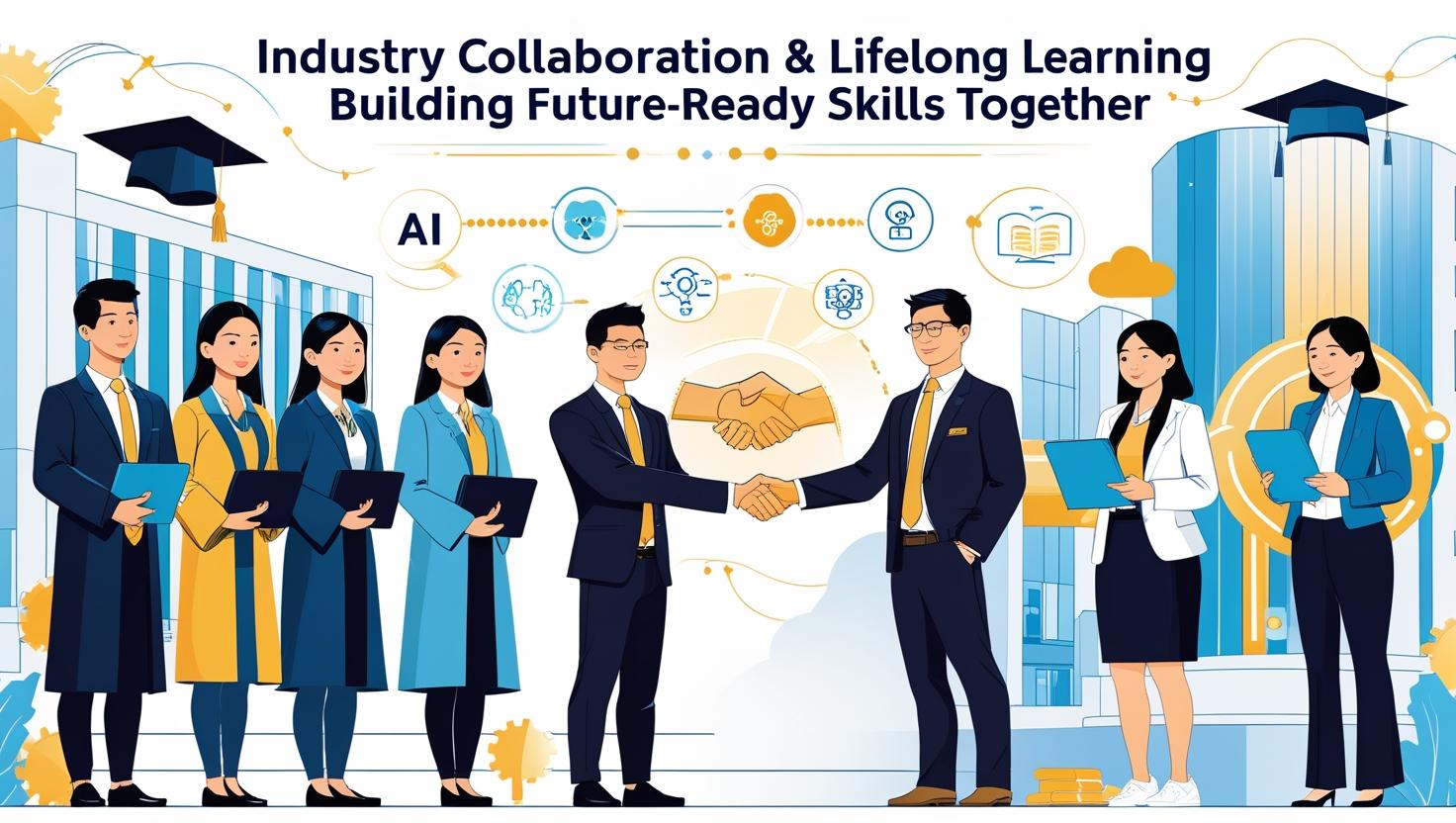
The future of education with AI is not about replacing teachers but enhancing their abilities to deliver effective, personalized education. AI tools are powerful resources that allow for more efficient administrative processes, smarter content, and personalized learning experiences for students. By leveraging AI, educators can focus on fostering creativity, critical thinking, and problem-solving skills in their students, ensuring they are well-prepared for the challenges of tomorrow.












.jpg)