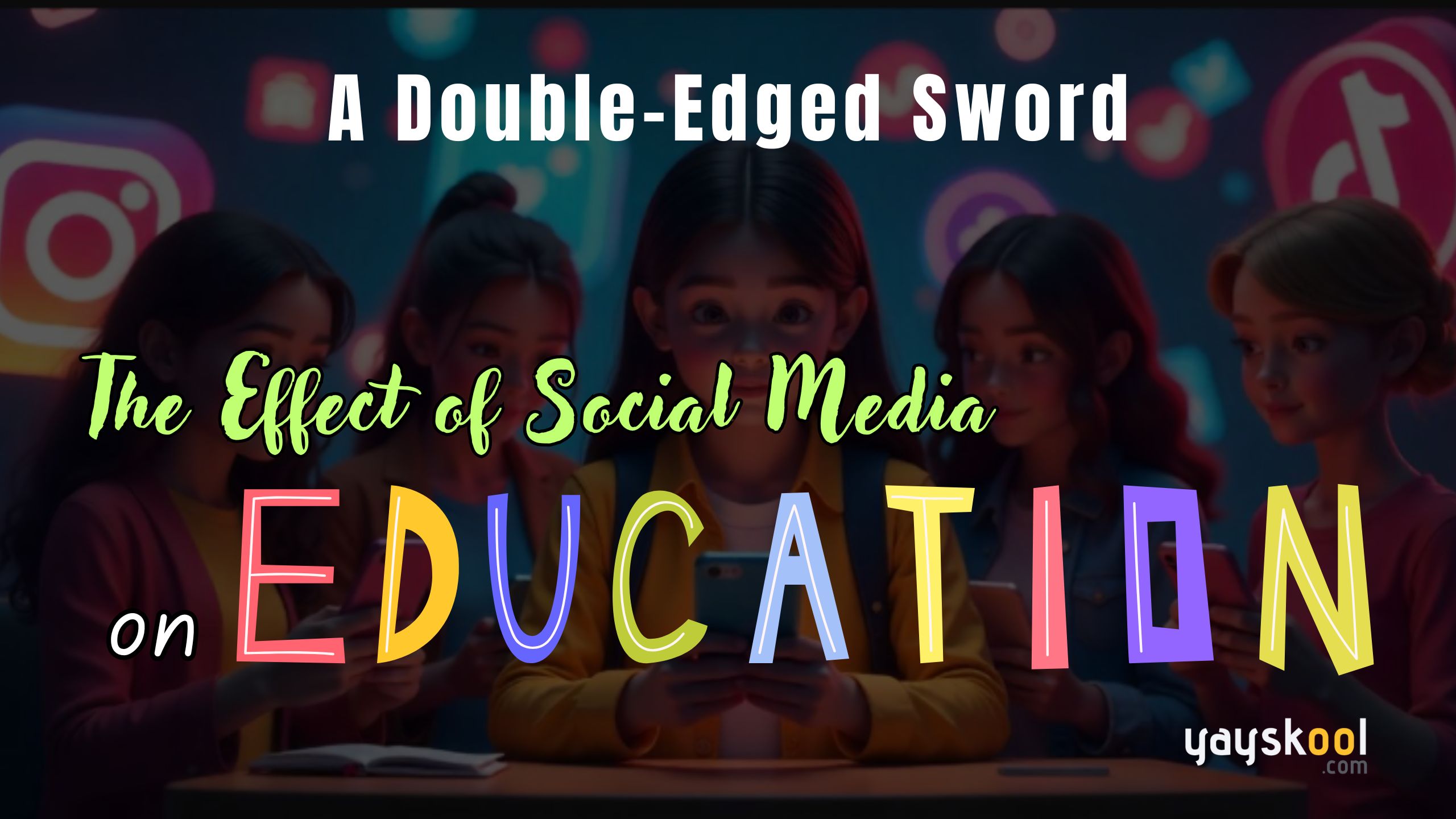
The Effect of Social Media on Education: A Double-Edged Sword
Social media is a big part of our daily lives, influencing how we communicate and learn. While some think of it as a distraction, it can actually be a helpful tool for education if used the right way. Social media has both positive and negative effects on learning.
Positive Effects of Social Media on Education
- Easy Access to Information -Social media platforms like YouTube and Instagram offer lots of educational content. Students can easily find tutorials, lectures, and articles online, allowing them to learn outside the classroom and at their own speed.
- Collaboration and Communication - Social media helps students and teachers stay connected. Platforms like WhatsApp and Facebook groups allow students to discuss topics and work together, no matter where they are. It also makes it easier for students to ask questions and get help from their teachers after school.
- Engaging Learning Methods - Social media is interactive, making learning more fun. Platforms like TikTok or Instagram have quizzes, videos, and challenges that can make lessons more interesting, especially for students who learn better through visuals or sound.
- Global Perspectives - Social media connects students to people and ideas from all over the world. Following global educators and experts gives students a wider understanding of different topics, helping them think critically and approach problems in new ways.
- Skill Building - Social media helps students develop important skills like content creation and digital literacy. Platforms like LinkedIn allow students to network with professionals, showcase their knowledge, and build connections for future careers.
Negative Effects of Social Media on Education
- Distraction - Social media can be very distracting. Students may spend too much time on entertainment instead of studying. Constant notifications and updates can take away their focus from academics.
- Misinformation - Not everything on social media is accurate. With so much content out there, students can easily come across false information, which can harm their learning and understanding of important topics.
- Shallow Learning - Social media often promotes short, quick information, like tweets or short videos, which may not provide deep learning. Students might get used to skimming through content without fully understanding it.
- Cyberbullying and Mental Health Issues- Social media can lead to cyberbullying, which harms students' mental health. Negative interactions online can cause stress, anxiety, and take their focus away from schoolwork. Plus, trying to maintain a certain image online can increase pressure and stress.
- Privacy Concerns-Social media collects data from users, which raises privacy issues, especially for young students. Without knowing how to protect themselves online, students might face risks like identity theft or cyberbullying.
Finding Balance
To make the most of social media for education, we need to find a balance. Teachers and parents should guide students on how to use social media in a way that supports learning, while also teaching them how to avoid distractions and stay safe online. Schools can use social media as part of their teaching strategies, showing students how to use it for educational purposes. Students should also set limits on their social media use, focusing on learning rather than getting sidetracked by entertainment.
Conclusion
Social media has a big impact on education. It provides many learning opportunities, helps students collaborate, and build useful skills. But it also comes with challenges like distraction, misinformation, and privacy concerns. If used wisely, social media can enhance the learning experience and open up new possibilities for students. The key is to use it in a balanced and responsible way.













.jpg)