Reclaiming Your Life from the Digital World
In today’s fast-paced, tech-driven world, the use of smart phones, social media and constant connectivity with the social network has massively increased, we often find ourselves stick to it and it is often difficult to unplug. Our lives are intertwined with screens. From the moment we wake up to the time we go to bed, our phones, tablets, and computers are constantly within arm's reach. Our devices have become essential tools for work, communication, entertainment, and even relaxation. While technology has undoubtedly improved our lives, it has also brought with it a new set of challenges—digital overload. But as beneficial as technology can be, there’s a growing recognition of the need to step back and take a break—a practice commonly known as a digital detox.
Understanding Digital Detox
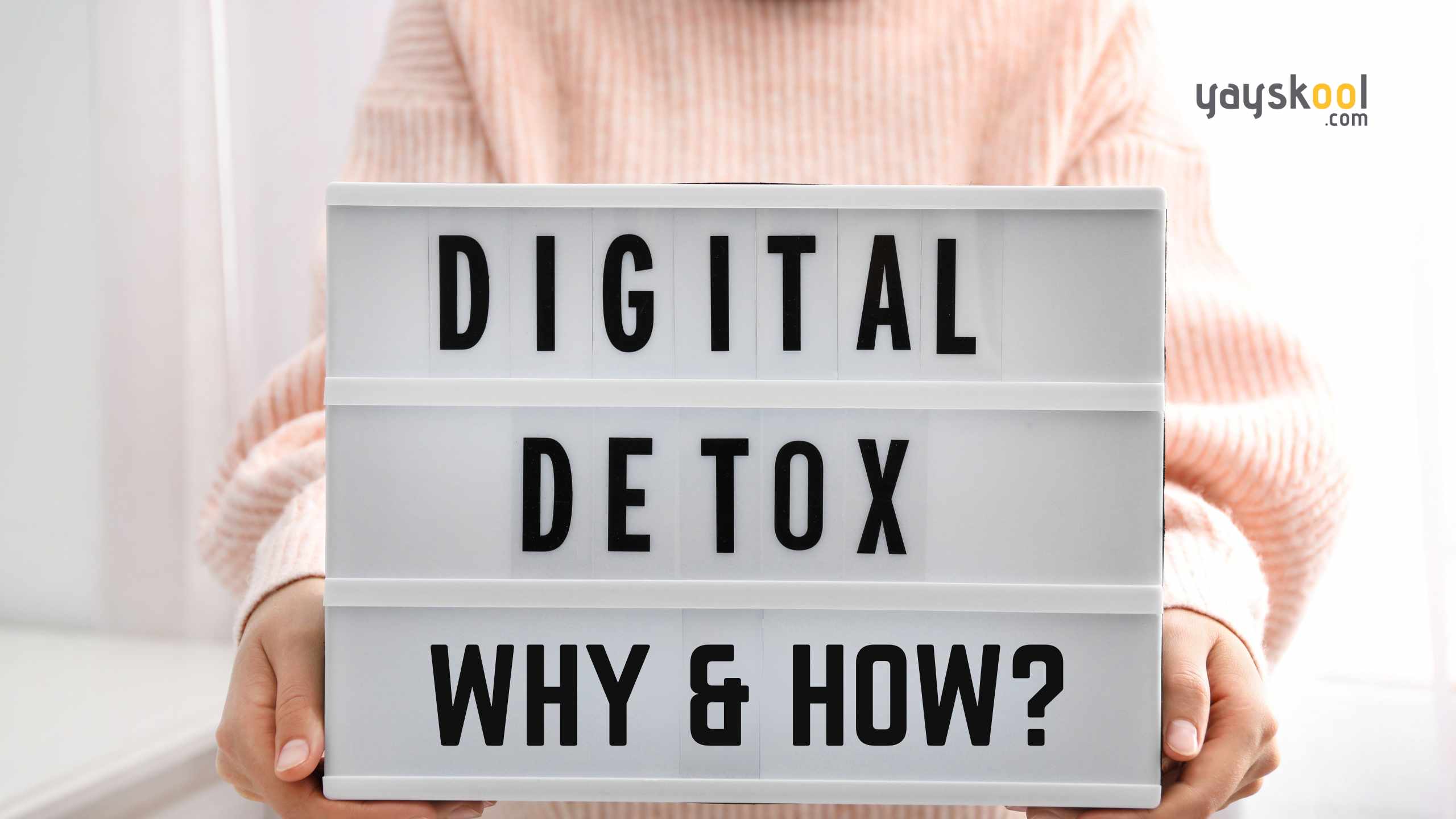
A digital detox is a deliberate and mindful break from screen and digital devices. Let's understand more about digital deliberate detox. A digital detox refers to a period when a person refrains from using digital devices such as smartphones, computers, and tablets. This break can last for a few hours, a day, or even longer, depending on individual needs. The purpose is to break away from the constant barrage of information, notifications, and digital interactions that can overwhelm our senses and negatively impact our well-being. The purpose is to disconnect from the relentless flow of information, notifications, and digital interactions to reconnect with the physical world and focus on mental well-being. Instead of spending time online, a digital detox encourages you to engage in offline activities that help you reconnect with yourself and the world around you.
Why You Need a Digital Detox
Our reliance on technology is at an all-time high, and while it offers convenience and connectivity, it also comes with a cost. Our reliance on technology has skyrocketed, leading to significant impacts on our mental and physical health. Excessive screen time has been linked to various issues, including eye strain, poor posture, sleep disturbances, and even anxiety and depression. Constant exposure to screens and the internet can lead to a range of issues:
- Mental Health Impact: The urge to stay connected, updated, and informed can lead to stress, anxiety, and even depression. Social media platforms, in particular, can create feelings of insufficiency as people compare their lives to the often unrealistic portrayals they see online.
- Sleep Disruption: The blue light emitted by screens can interfere with our natural sleep patterns, making it difficult to fall asleep and reducing the quality of sleep. This can lead to fatigue, restlessness, irritability, and a weakened immune system.
- Decreased Productivity: Constant notifications and the urge to check your phone can be major distractions, making it difficult to focus on tasks. This not only reduces productivity but also increases stress levels as work piles up.
- Strained Relationships: When we’re glued to our devices, we miss out on real-life interactions. Over time, this can strain relationships with family and friends, as the quality of our communication diminishes.
Benefits of a Digital Detox
Taking a break from digital devices can have profound benefits:
- Improved Mental Clarity: Constant connectivity can be overwhelming, leading to stress and anxiety. A digital detox provides an opportunity to clear your mind, reduce stress, and improve overall mental well-being.
- Better Sleep: Reducing screen time, especially before bed, can help restore natural sleep patterns, leading to better rest and more energy throughout the day. The blue light emitted by screens can disrupt your sleep patterns. Taking a break from screens, especially
- before bedtime, can help you fall asleep more easily and enjoy deeper, more restful sleep.
- Increased Productivity: Without the distractions of notifications and social media, you can concentrate better on tasks, leading to increased productivity and a greater sense of accomplishment.
- Stronger Connections: By putting down your devices, you can fully engage with the people around you, strengthening relationships and creating more meaningful interactions.
- Increased Creativity: Disconnecting from digital distractions allows your mind to wander and explore new ideas. Many people find that their creativity flourishes when they take a break from technology.
How to Start a Digital Detox
Embarking on a digital detox doesn’t mean you have to go completely offline.
Here are some simple steps to help you get started:
- Set Clear Boundaries: Decide on specific times of the day when you will disconnect from your devices. This could be during meals, before bed, or during designated "tech-free" hours.
- Create No-Phone Zones: Establish areas in your home where digital devices are not allowed, such as the bedroom or dining room. This can help you resist the urge to check your phone constantly.
- Engage in Offline Activities: Fill your time with activities that don’t involve screens, such as reading, exercising, or spending time outdoors. These activities can help you relax and recharge.
- Practice Mindfulness: Pay attention to how you feel when you’re not connected to your devices. Notice the benefits of being present in the moment, and use that awareness to motivate you to continue your digital detox.
Conclusion
In a world where digital devices dominate our lives, taking a step back to unplug and recharge is more important than ever. A digital detox can help you reclaim your time, improve your mental and physical health, and reconnect with the things that truly matter. Whether it’s for a few hours, a day, or a week, giving yourself a break from the digital world can lead to a happier, healthier, and more balanced life.













.jpg)