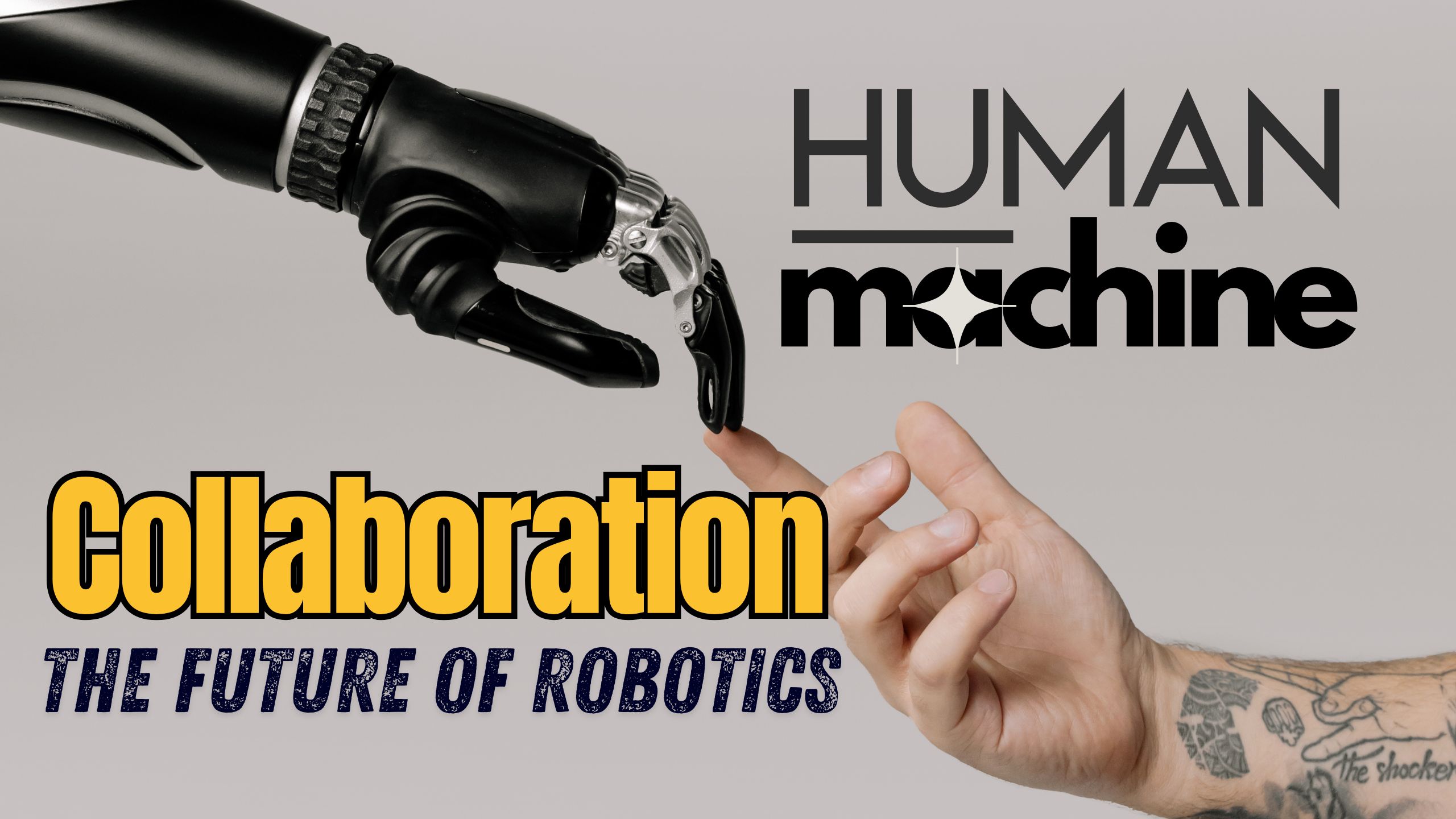
Human-Machine Collaboration: The Future of Robotics
Robotics has transitioned from science fiction to an essential part of our lives. In industries ranging from healthcare to manufacturing, human-machine collaboration (HMC) is reshaping the way we work. Instead of replacing humans, robots are designed to work alongside people, boosting efficiency, safety, and innovation. The future belongs to teamwork between humans and machines.
What is Human-Machine Collaboration?
Human-machine collaboration refers to humans and machines working together to achieve shared goals. Unlike traditional automation, where robots work independently, HMC focuses on synergy, with robots enhancing human skills and productivity.
Key Features of HMC:
- Robots complement human strengths.
- Machines handle repetitive, high-risk tasks.
- Collaborative robots (cobots) are built to operate safely alongside humans.
Why is Human-Machine Collaboration the Future?
1. Amplifying Human Abilities
Robots help humans achieve tasks more efficiently. In healthcare, for instance, robotic systems assist surgeons in performing complex surgeries with greater accuracy.
2. Improving Workplace Safety
Cobots and robotics are widely used in industries such as construction and manufacturing to handle hazardous tasks, reducing injury risks for human workers.
3. Boosting Productivity
Robots take care of repetitive or time-consuming tasks, allowing humans to focus on creative and strategic responsibilities.
4. Filling Workforce Gaps
Industries like agriculture, logistics, and healthcare face labor shortages. Robots help address these gaps while supporting human workers.
5. Driving Innovation
Human-machine collaboration enables breakthroughs in fields such as scientific research, space exploration, and climate solutions.
Examples of Human-Machine Collaboration
1. Healthcare
- a. Robotic Surgery: Systems like the da Vinci Robot enhance precision in surgical procedures.
- b. Exoskeletons: Wearable robotics assist individuals with mobility or physical labor.
2. Manufacturing
- Cobots: Robots like ABB and Universal Robots work alongside humans on production lines to improve efficiency and reduce fatigue.
3. Logistics and Warehousing
- Robots such as Amazon’s Kiva robots assist workers by automating inventory transportation, saving time and effort.
4. Agriculture
- AI-powered robots monitor crops, automate harvesting, and increase farm productivity with precision techniques.
5. Customer Service
- AI bots and robots handle queries, solve problems, and provide seamless customer support alongside human teams.
6. Space Exploration
- Robots like NASA's Perseverance rover assist in missions, collecting and analyzing data while being remotely operated by humans.
Advantages of Human-Machine Collaboration
| Benefits | Impact |
| Higher Efficiency | Faster task completion with fewer errors. |
| Improved Safety | Reduces exposure to hazardous environments. |
| Precision and Quality | Ensures accuracy in repetitive tasks. |
| Cost Savings | Long-term benefits from improved workflows. |
| Focus on Creativity | Humans can engage in higher-level work. |
Challenges of Human-Machine Collaboration
1. Job Loss Concerns
- While robots enhance work processes, there’s concern about job displacement. Upskilling workers is essential to adapt to this shift.
2. High Costs of Implementation
- Advanced robotics can be expensive initially, posing a challenge for smaller businesses.
3. Ethical and Security Issues
- AI ethics, data privacy, and cybersecurity risks need to be addressed to ensure safe human-machine collaboration.
4. Adapting to Change
- Workers require training and education to effectively collaborate with machines.
What’s Next for Human-Machine Collaboration?
By 2030, the adoption of collaborative robotics integrated with AI is expected to surge.
Industries will rely on robotics for:
- Precision-driven engineering
- Smart, automated factories
- AI-enhanced healthcare solutions
To prepare for this future, education systems are emphasizing STEM skills to equip the workforce with the tools to collaborate seamlessly with machines.
Conclusion
The future of robotics lies in collaboration, not competition. Robots are here to assist, enhance, and elevate human capabilities by taking over tasks that are repetitive, hazardous, or require extreme precision. This collaboration will lead to a more productive, safer, and innovative world where humans focus on creativity, problem-solving, and exploration.













.jpg)