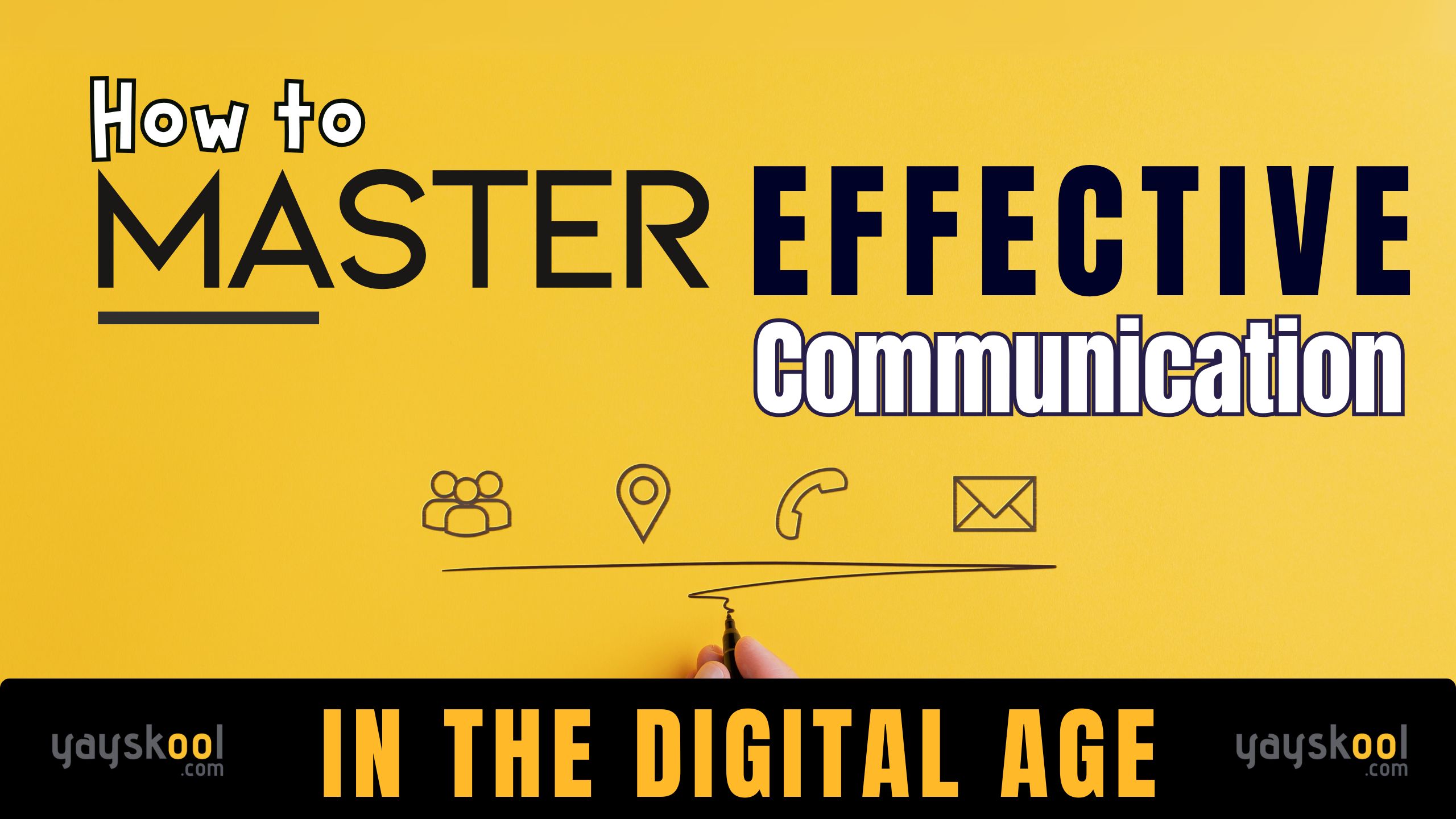
How to Master Effective Communication in the Digital Age
In today’s fast-paced, digitally connected world, effective communication is more crucial than ever. With the rise of email, instant messaging, social media, and video calls, the way we connect with others has drastically changed. But while technology offers convenience, it also comes with its own set of challenges. So how can you master communication in the digital age? Let’s dive into some key strategies to help you navigate this modern communication landscape.
1. Understand the Different Channels and Their Purposes
In the digital age, communication can take place on various platforms — email, chat apps, social media, video conferencing, and more. Each channel has its own nuances and ideal use cases.
- Email: Ideal for formal, detailed communication and when you need a written record. Keep it concise and professional.
- Instant Messaging: Best for quick, informal conversations. Tools like Slack, WhatsApp, or Messenger are perfect for real-time communication.
- Social Media: Used for engaging with a broader audience, sharing updates, or having informal interactions. Be mindful of your tone and content.
- Video Calls: Best for more personal or collaborative discussions, where facial expressions, tone, and body language add context to your words.
- Phone Calls: When in doubt, pick up the phone. It allows for immediate clarification and is better than emails when it comes to sensitive topics.
2. Embrace Clarity and Brevity
One of the biggest mistakes in digital communication is overloading the recipient with information. Whether you're sending an email or crafting a social media post, be clear and concise. Here’s how:
- Stay on Point: In emails and messages, avoid long paragraphs. Stick to the key points and ensure the main message is obvious from the beginning.
- Use Bullet Points: If there’s a lot of information to convey, break it up into digestible bullet points.
- Headlines & Subject Lines: Use clear subject lines in emails and headlines in social media posts to help your audience understand the content at a glance.
3. Mind Your Tone and Non-Verbal Cues
In face-to-face conversations, much of our communication comes from non-verbal cues like body language, facial expressions, and tone of voice. In digital communication, these cues are often absent, making it easy for messages to be misinterpreted.
- Tone: Without the context of voice tone or body language, it’s important to use words carefully. Emojis, GIFs, and punctuation (like exclamation marks) can help convey emotion, but be sure not to overdo it.
- Emojis and GIFs: While these can help add personality and warmth to your messages, always consider your audience. Professional conversations might not be the best place for too many emoticons.
- Formatting: Use formatting techniques (bold, italics, underlining) to emphasize key parts of your message without going overboard.
4. Practice Active Listening (Even Digitally)
Effective communication isn't just about speaking or writing — it's also about listening. In digital conversations, active listening can sometimes be overlooked, but it’s just as important as in face-to-face interactions. Here are some tips:
- Acknowledge and Respond Promptly: Whether it's an email or a chat message, respond in a timely manner to show you're engaged.
- Ask Clarifying Questions: If something is unclear, don’t hesitate to ask questions. It shows you are paying attention and care about getting the message right.
- Summarize Key Points: When communicating via email or chat, summarizing key points at the end of the conversation helps avoid misunderstandings.
5. Leverage Visual Communication
One of the limitations of digital communication is the lack of face-to-face interaction, which can hinder understanding. To bridge this gap, use visual tools effectively:
- Screenshots and Screen Sharing: In work settings, sharing your screen during a video call can help clarify concepts and ensure that everyone is on the same page.
- Infographics and Visuals: For complex ideas, consider using visuals like charts, graphs, or infographics to simplify and strengthen your message.
- Video Communication: Whenever possible, use video calls for more complex or sensitive conversations, as they allow for better emotional connection through visual and vocal cues.
6. Manage Digital Overload
With the constant flood of messages, notifications, and emails, it’s easy to feel overwhelmed. Managing digital communication is crucial for maintaining effectiveness and avoiding burnout:
- Set Boundaries: Set designated times for checking emails and messages. This prevents constant distractions and helps you stay focused.
- Use Do Not Disturb: Turn off notifications when you need to focus or when you’re in a meeting.
- Organize Your Inbox: Use folders, labels, or tags to categorize emails for easy reference.
7. Proofread Before You Hit Send
In digital communication, it’s easy to rush and send a message without reviewing it. However, typos, grammatical errors, or unclear sentences can hurt your credibility.
- Spell-Check: Always use spelling and grammar checks, but don’t rely solely on them.
- Read It Out Loud: Reading your message aloud before sending it can help you catch errors or identify areas where your tone might be off.
- Pause Before Sending: If you're feeling emotional or stressed, give yourself time before hitting “send” — this can prevent rash or misinterpreted responses.
Adapting to the Digital Communication Era
Mastering effective communication in the digital age requires a mix of strategic platform usage, clarity, tone awareness, and active listening. By understanding the strengths and limitations of each communication tool, adopting clear and concise messaging, and respecting your audience’s time and attention, you can navigate this fast-evolving landscape with confidence.
Whether you're emailing a colleague, chatting with a friend, or attending a video meeting, communication is an essential skill that shapes your success in both personal and professional life. Embrace these tips, and you'll be well on your way to mastering digital communication in the modern world.













.jpg)