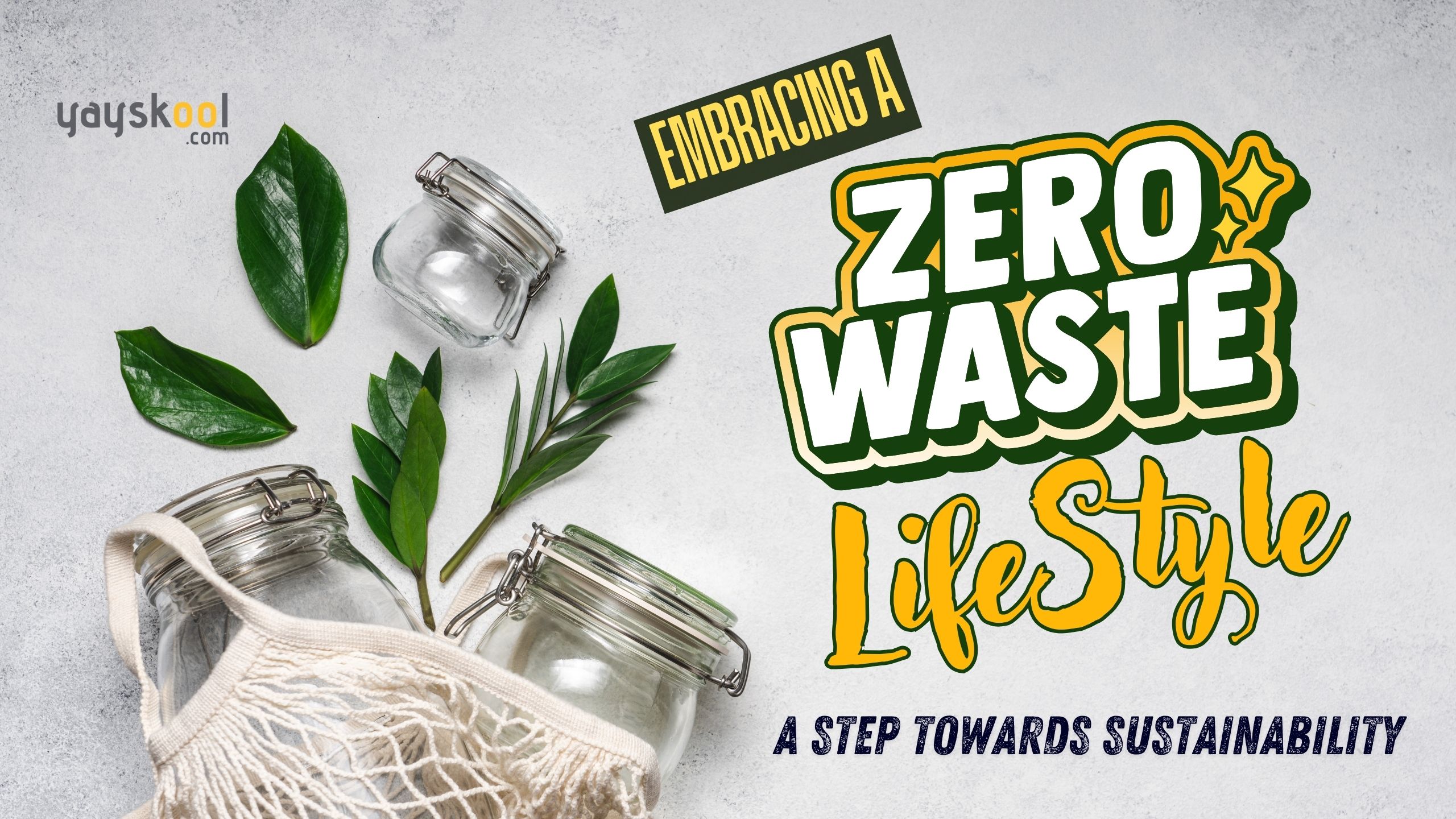
Embracing a Zero-Waste Lifestyle: A Step Towards Sustainability
Adopting a zero-waste lifestyle is more than just a choice—it’s a commitment to protecting the planet and fostering sustainable habits. Here’s how you can make zero-waste living part of your daily routine.
What Does Zero-Waste Living Mean?
Zero-waste living focuses on minimizing waste by refusing disposable items, reusing materials, and recycling properly. It promotes a circular economy, where products are continuously repurposed to reduce environmental harm.
Why Go Zero-Waste?
- Environmental Impact: Reduces pollution and preserves natural resources.
- Financial Savings: Reusing and buying in bulk can lower costs over time.
- Health Improvements: Limits exposure to harmful chemicals in single-use plastics.
- Community Inspiration: Motivates others to adopt eco-friendly practices.
Simple Ways to Start Zero-Waste Living
1. Refuse Unnecessary Items
Avoid disposable cutlery, plastic straws, and other single-use items. Saying "no" helps eliminate waste before it begins.
2. Reduce What You Consume
Purchase only what you need, and donate items you no longer use to avoid clutter and excess waste.
3. Embrace Reusable Options
- Use reusable bags, water bottles, and coffee mugs.
- Repurpose glass jars for storage or as planters.
- Mend clothes and repair appliances instead of discarding them.
4. Recycle Smartly
Learn and follow your local recycling guidelines to ensure proper sorting and reduce contamination.
5. Start Composting
Turn food scraps and yard waste into nutrient-rich compost to reduce organic waste and support healthier soil.
6. Buy in Bulk
Bring your own containers when purchasing groceries or household products to cut down on packaging waste.
7. Choose Sustainable Alternatives
- Switch to bamboo toothbrushes instead of plastic ones.
- Replace paper towels with washable cloth towels.
- Invest in durable, reusable containers for storage.
8. DIY and Upcycle
Create homemade cleaning products, beauty essentials, or personalized gifts using natural and reusable materials.
Overcoming the Challenges
Transitioning to a zero-waste lifestyle takes patience and persistence. Start small—focus on one area, such as reducing plastic use or composting food scraps. Celebrate your progress and remember that small changes add up over time
The Bigger Impact
Living a zero-waste lifestyle not only benefits the environment but also contributes to global efforts against climate change. Every mindful choice you make inspires others and adds to the collective impact of preserving resources for future generations.
Conclusion
Embracing a zero-waste lifestyle is a rewarding journey toward sustainability. By making thoughtful changes, you can significantly reduce waste and create a positive ripple effect for the planet. Start small, stay consistent, and take steps toward a waste-free future today.













.jpg)